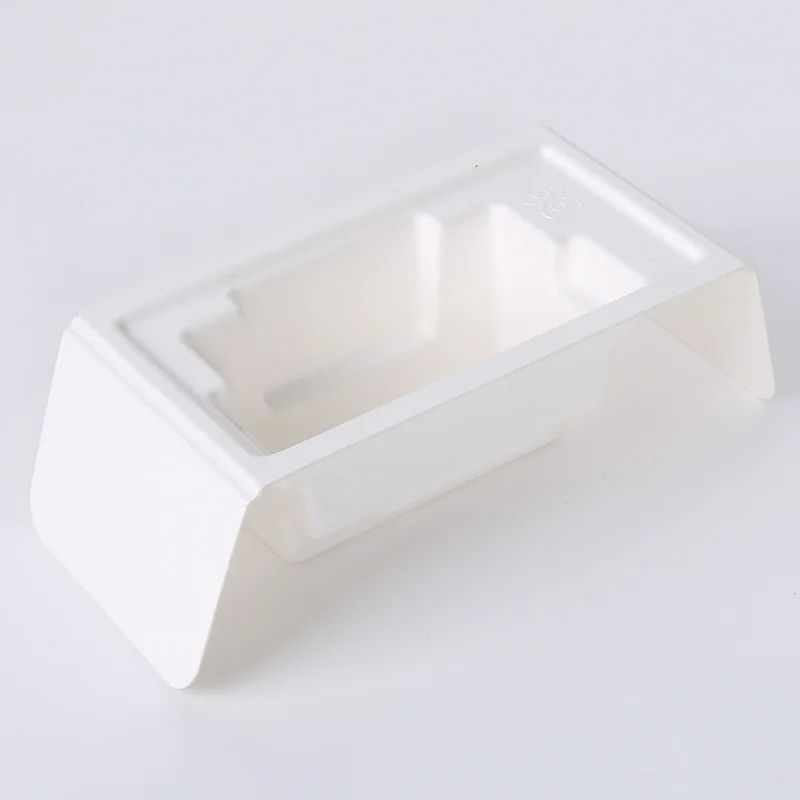
 Molded Pulp Inserts / ISO 9001 / Debossed marking
Custom Molded Pulp Inserts
Custom Molded Pulp Inserts starts with product fit: formed pulp insert with product contact, nesting depth, rib support, and outer box fit review. Cavity layout, removal...
Molded Pulp Inserts / ISO 9001 / Debossed marking
Custom Molded Pulp Inserts
Custom Molded Pulp Inserts starts with product fit: formed pulp insert with product contact, nesting depth, rib support, and outer box fit review. Cavity layout, removal...
Material and finish guide
Molded Pulp Insert Materials
Use this guide to connect the material or finish direction to real product structures before sampling. The right choice depends on packed-product fit, artwork, hand-feel, retail handling, and repeat-order expectations.
What it is
Molded pulp inserts are formed paper-fiber trays or supports used to hold products inside an outer box or shipper.
When to use it
- Bottle, jar, electronics, candle, cosmetics, and kit projects where cavity fit and reduced plastic use matter.
- Projects that need a structured insert rather than loose fill or a flat paperboard divider.
- Packaging systems where the insert and outer box must be sampled together.
When not to use it
- Small decorative packs where a paperboard divider or EVA/foam insert is better suited to finish detail.
- Projects that require a very smooth color-matched presentation surface without extra finishing review.
- Sustainability claims beyond material direction unless documentation is reviewed.
Compatibility notes
- Pairs with rigid boxes, mailers, folding cartons, and product kits that need cavity control.
- Needs review for product tolerance, removal access, surface dust, and loaded-product testing.
- Can be compared with foam inserts when cushioning, appearance, and material wording differ.
Quote and sample inputs
- Product dimensions, weight, and tolerance
- Cavity count and removal access
- Outer box or shipper structure
- Material wording and sample test expectations
Production risks to review
- Poor cavity tolerance can make products hard to load or remove.
- Surface and color expectations need sample review.
- Insert claims must stay tied to project material and documentation checks.
Related decision paths
Use these pages when this topic is only one part of the material, finish, structure, or quote decision.
How to use it
- Choose the product structure before locking a finish
- Check whether the finish affects fold, wrap, closure, or window behavior
- Confirm sample type when texture, foil, lamination, or print color is critical
Material signals
- Paperboard14
- Corrugated board13
- Kraft paper6
- Art paper wrap5
- Bagasse or paper pulp5
- Dry-press molded pulp for cushioning checks5
- Greyboard 1.5–3.0 mm5
- Molded fiber by geometry and nesting depth5
Finish signals
- Outer box print coordination14
- Debossed marking10
- Surface texture and color tolerance check10
- Embossing8
- Debossing6
- Foil stamping6
- Embossing and debossing4
- Foam edge and cavity finish check4
Applicable product families
Open the full catalog paths when the featured examples below are not enough for review.
Featured starting points
Open related product pages to review images, structure notes, and quote inputs. These are representative entries, not the full catalog.
Molded Pulp Inserts / ISO 9001 / Debossed marking
Custom Molded Pulp Inserts
Custom Molded Pulp Inserts starts with product fit: formed pulp insert with product contact, nesting depth, rib support, and outer box fit review. Cavity layout, removal...
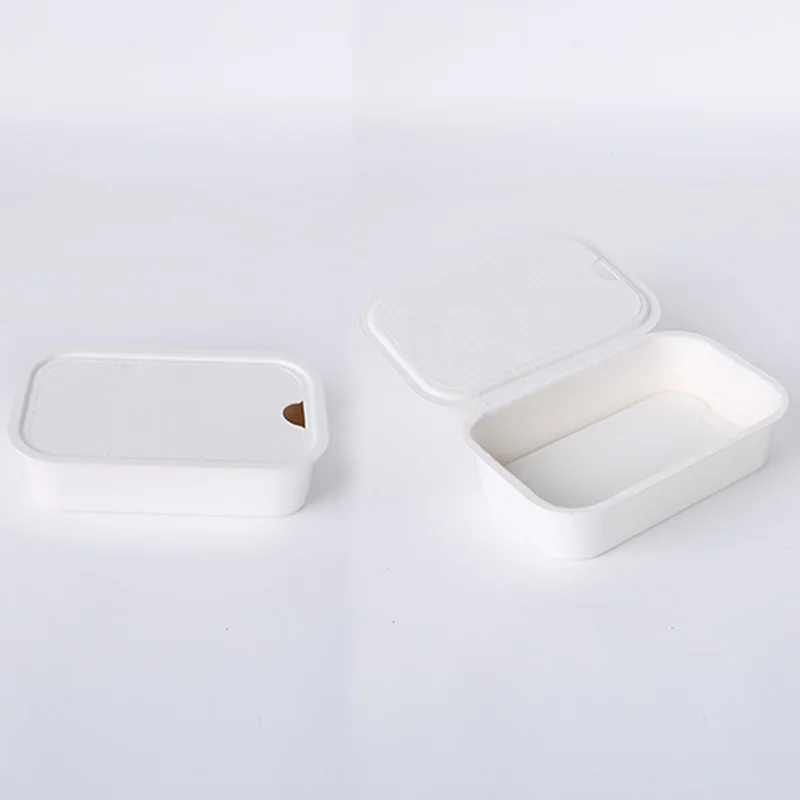 Molded Pulp Inserts / ISO 9001 / Debossed marking
Custom Molded Pulp Packaging
Custom Molded Pulp Packaging starts with product fit: formed pulp insert with product contact, nesting depth, rib support, and outer box fit review. Cavity layout, remov...
Molded Pulp Inserts / ISO 9001 / Debossed marking
Custom Molded Pulp Packaging
Custom Molded Pulp Packaging starts with product fit: formed pulp insert with product contact, nesting depth, rib support, and outer box fit review. Cavity layout, remov...
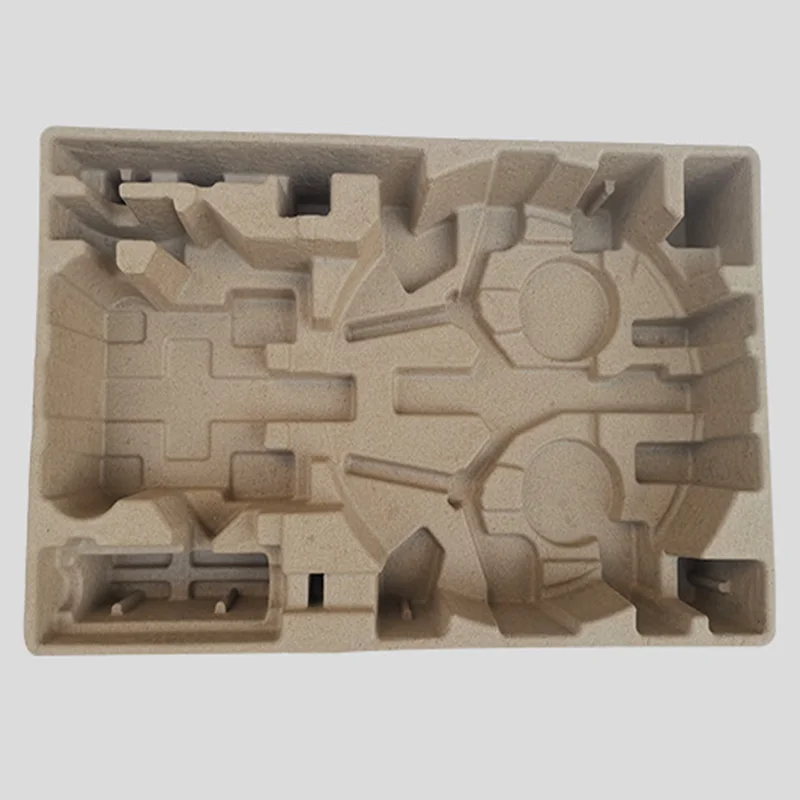 Molded Pulp Inserts / ISO 9001 / Debossed marking
Custom Molded Pulp Trays for Electronics Packaging
Custom Molded Pulp Trays for Electronics Packaging starts with product fit: formed pulp insert with product contact, nesting depth, rib support, and outer box fit review...
Molded Pulp Inserts / ISO 9001 / Debossed marking
Custom Molded Pulp Trays for Electronics Packaging
Custom Molded Pulp Trays for Electronics Packaging starts with product fit: formed pulp insert with product contact, nesting depth, rib support, and outer box fit review...
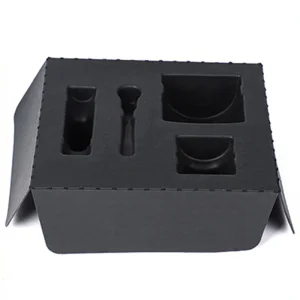 Molded Pulp Inserts / ISO 9001 / Debossed marking
Molded Pulp Trays for Skincare Packaging
Molded Pulp Trays for Skincare Packaging starts with product fit: formed pulp insert with product contact, nesting depth, rib support, and outer box fit review. Cavity l...
Molded Pulp Inserts / ISO 9001 / Debossed marking
Molded Pulp Trays for Skincare Packaging
Molded Pulp Trays for Skincare Packaging starts with product fit: formed pulp insert with product contact, nesting depth, rib support, and outer box fit review. Cavity l...
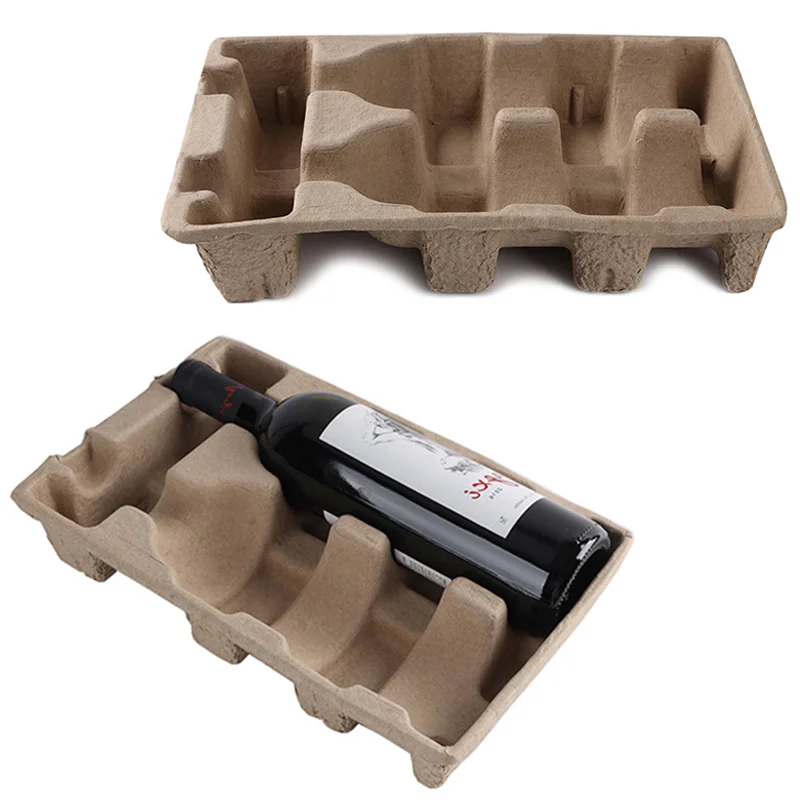 Molded Pulp Inserts / ISO 9001 / Debossed marking
Molded Pulp Wine Shippers
Molded Pulp Wine Shippers starts with product fit: formed pulp insert with product contact, nesting depth, rib support, and outer box fit review. Cavity layout, removal...
Molded Pulp Inserts / ISO 9001 / Debossed marking
Molded Pulp Wine Shippers
Molded Pulp Wine Shippers starts with product fit: formed pulp insert with product contact, nesting depth, rib support, and outer box fit review. Cavity layout, removal...
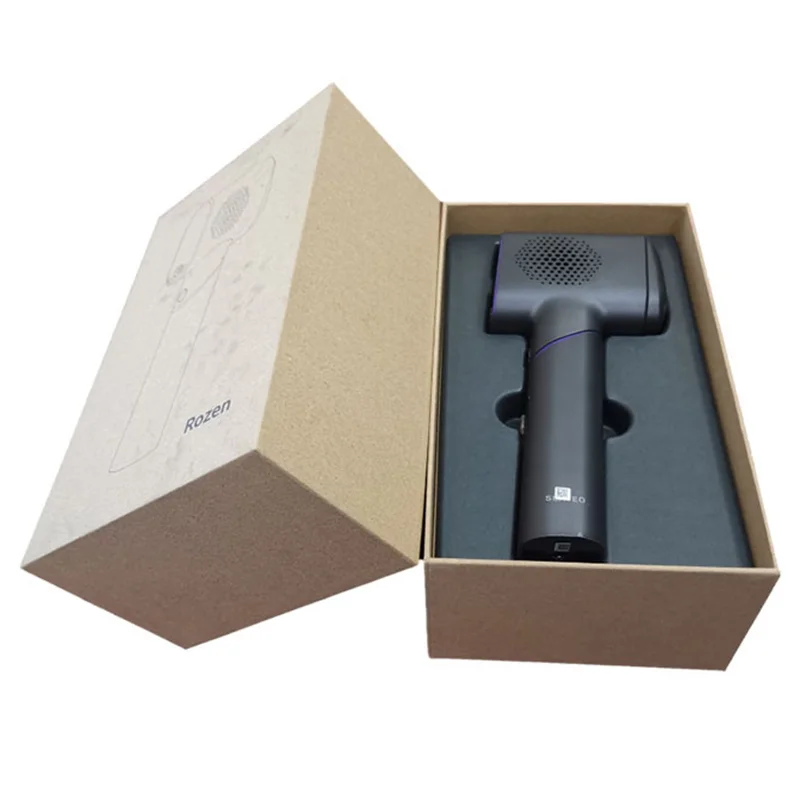 Rigid Boxes / ISO 9001 / Wrapped printed paper
Custom Hair Dryer Packaging Boxes with Molded Pulp Inserts
Custom Hair Dryer Packaging Boxes with Molded Pulp Inserts combines an outer paper box with an internal support insert, so the quote should cover box structure, cavity l...
Rigid Boxes / ISO 9001 / Wrapped printed paper
Custom Hair Dryer Packaging Boxes with Molded Pulp Inserts
Custom Hair Dryer Packaging Boxes with Molded Pulp Inserts combines an outer paper box with an internal support insert, so the quote should cover box structure, cavity l...
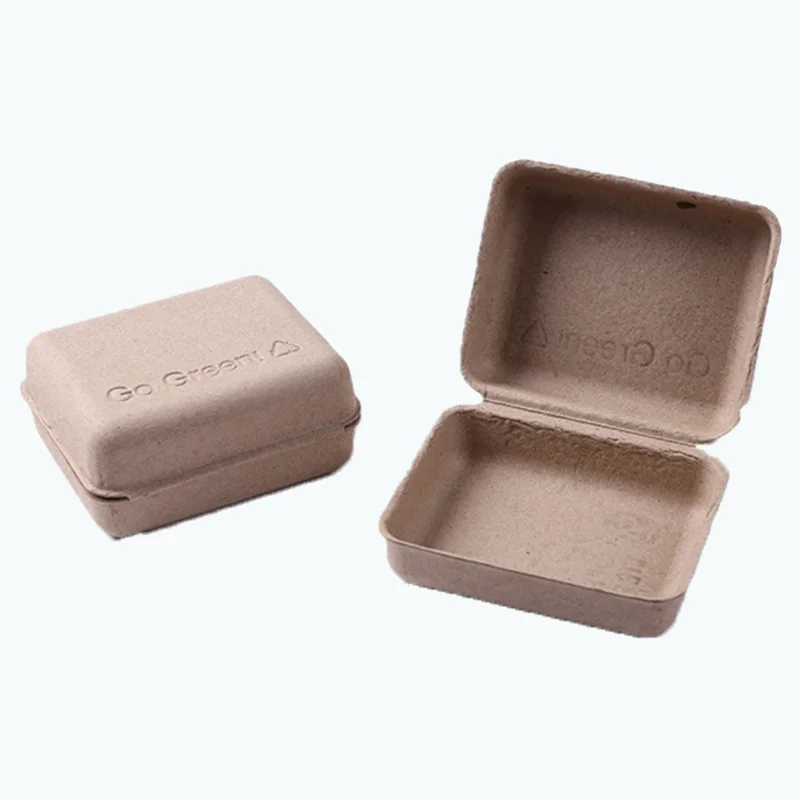 Rigid Boxes / ISO 9001 / Embossing
Paper Molded Pulp Soap Box
Paper Molded Pulp Soap Box needs structure decisions before print and sampling. The quote should cover wrapped greyboard box with separate lid, base, hinge, drawer, or m...
Rigid Boxes / ISO 9001 / Embossing
Paper Molded Pulp Soap Box
Paper Molded Pulp Soap Box needs structure decisions before print and sampling. The quote should cover wrapped greyboard box with separate lid, base, hinge, drawer, or m...
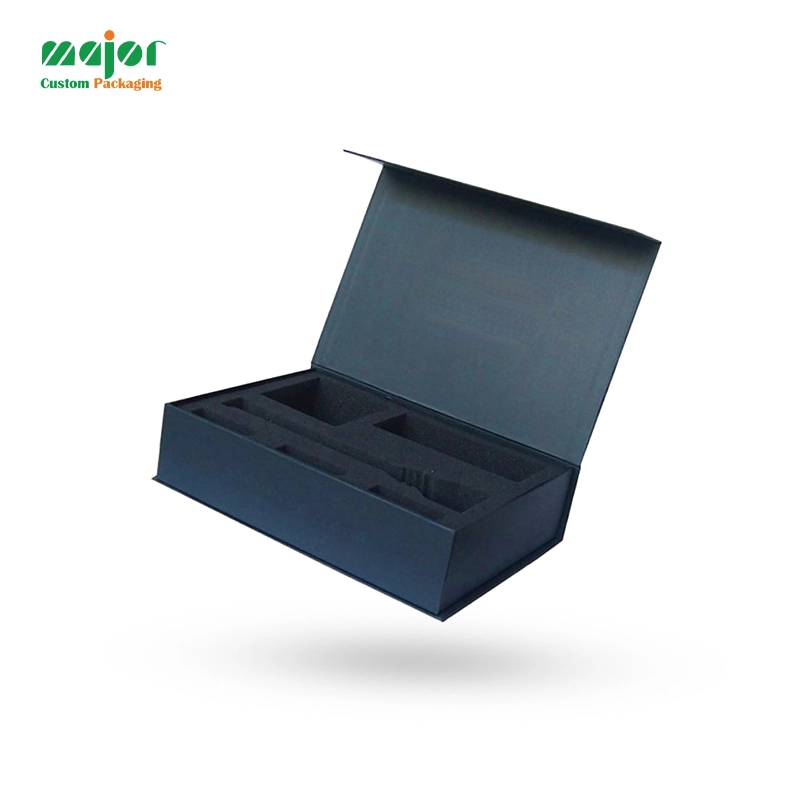 Foam Inserts / ISO 9001 / Foam edge and cavity finish check
30 Slot EVA Foam Inserts
30 Slot EVA Foam Inserts starts with product fit: cut foam insert with cavities, finger access, thickness, and outer box fit review. Cavity layout, removal access, outer...
Foam Inserts / ISO 9001 / Foam edge and cavity finish check
30 Slot EVA Foam Inserts
30 Slot EVA Foam Inserts starts with product fit: cut foam insert with cavities, finger access, thickness, and outer box fit review. Cavity layout, removal access, outer...
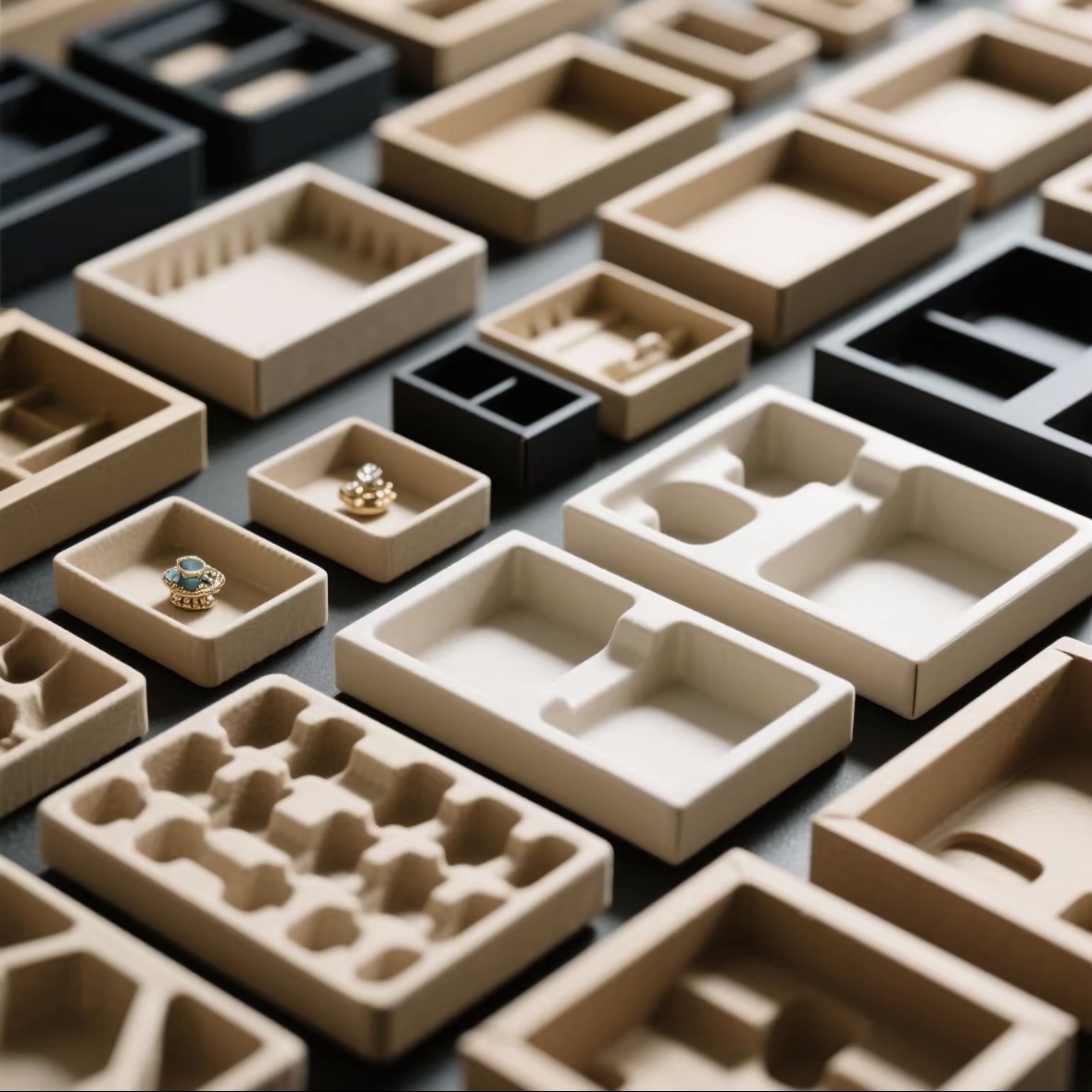 Foam Inserts / FSC / Foam edge and cavity finish check
Packaging Insert Set
Packaging Insert Set starts with product fit: cut foam insert with cavities, finger access, thickness, and outer box fit review. Cavity layout, removal access, outer box...
Foam Inserts / FSC / Foam edge and cavity finish check
Packaging Insert Set
Packaging Insert Set starts with product fit: cut foam insert with cavities, finger access, thickness, and outer box fit review. Cavity layout, removal access, outer box...
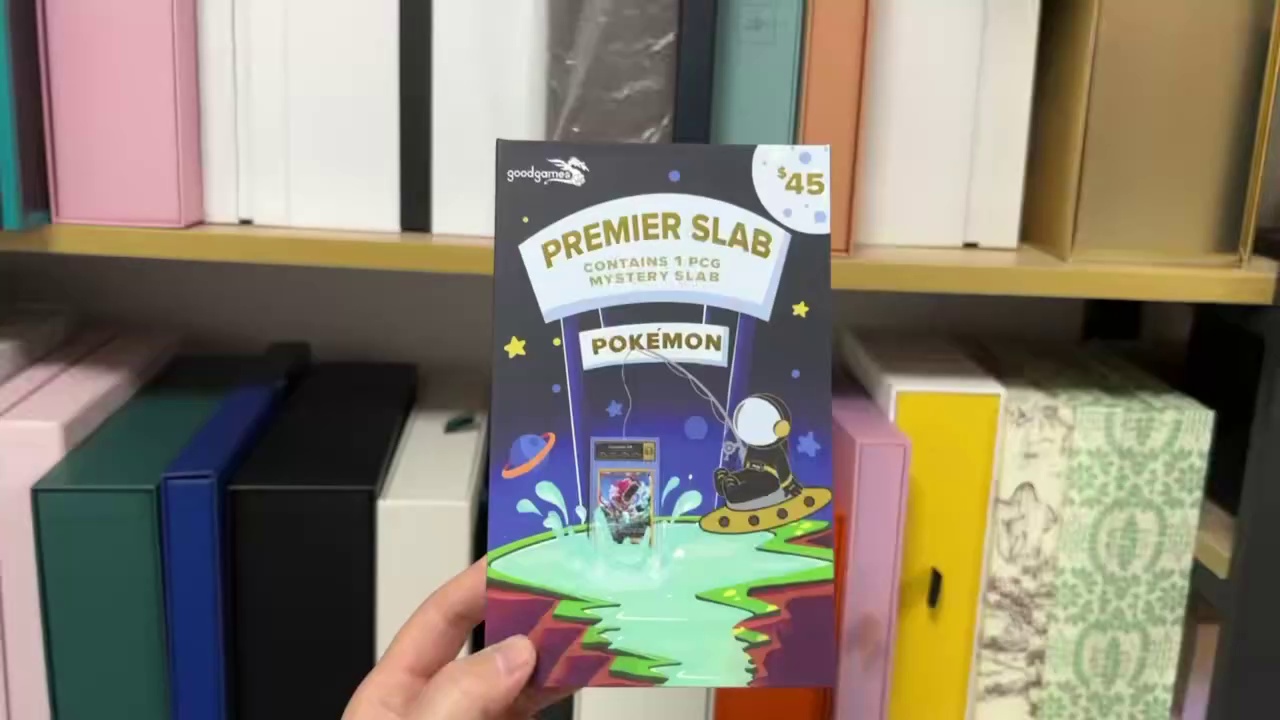 Magnetic Boxes / ISO 9001 / CMYK
Custom Magnetic Gift Box Rigid Paper Packaging with Materials
Custom Magnetic Gift Box Rigid Paper Packaging with Materials needs structure decisions before print and sampling. The quote should cover hinged or book-style rigid box...
Magnetic Boxes / ISO 9001 / CMYK
Custom Magnetic Gift Box Rigid Paper Packaging with Materials
Custom Magnetic Gift Box Rigid Paper Packaging with Materials needs structure decisions before print and sampling. The quote should cover hinged or book-style rigid box...
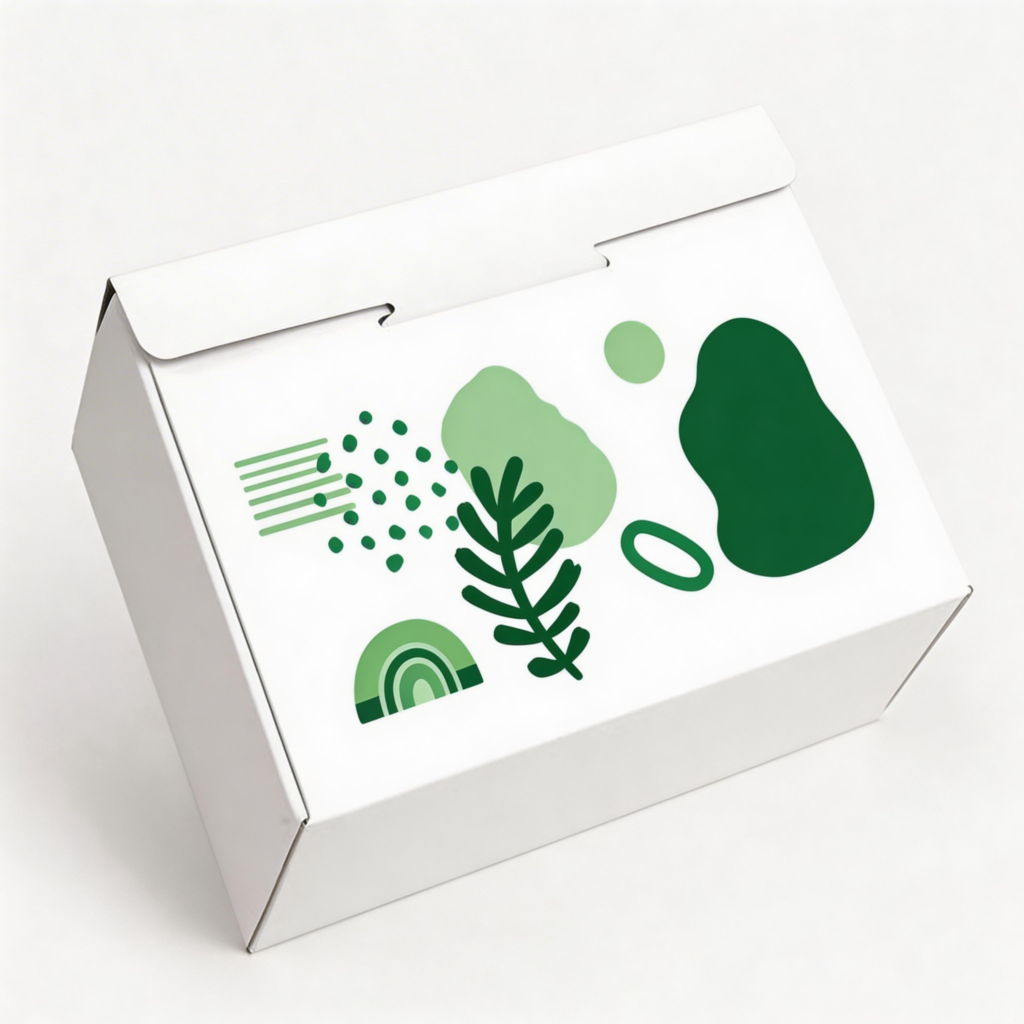 Rigid Boxes / FSC / Wrapped printed paper
Corrugated Box with Insert
Corrugated Box with Insert combines an outer paper box with an internal support insert, so the quote should cover box structure, cavity layout, product removal access, m...
Rigid Boxes / FSC / Wrapped printed paper
Corrugated Box with Insert
Corrugated Box with Insert combines an outer paper box with an internal support insert, so the quote should cover box structure, cavity layout, product removal access, m...
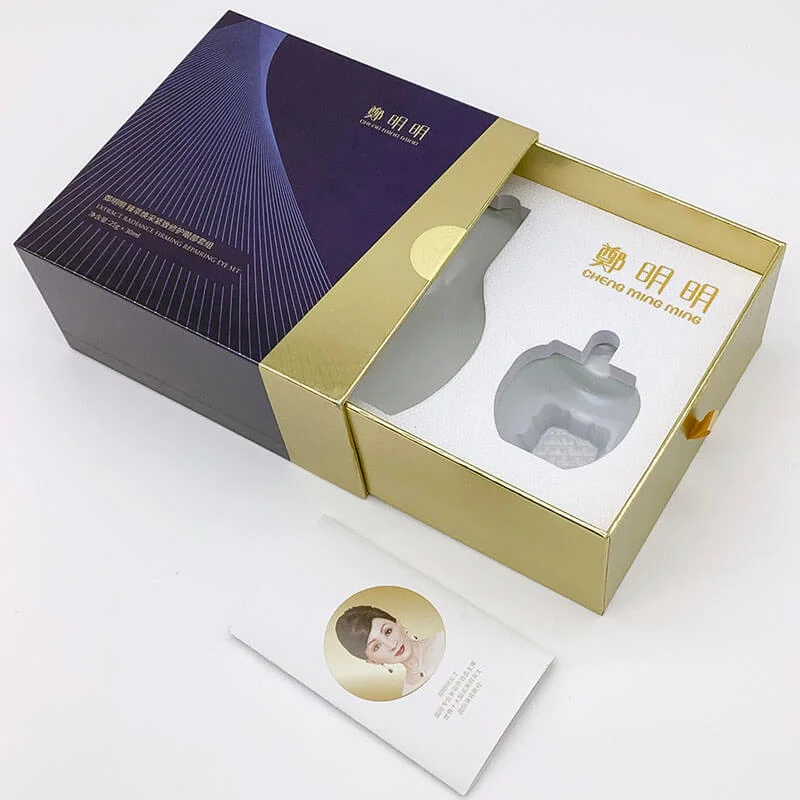 Rigid Boxes / ISO 9001 / Spot UV
Cosmetic Packaging Slide Box with Insert
Cosmetic Packaging Slide Box with Insert combines an outer paper box with an internal support insert, so the quote should cover box structure, cavity layout, product rem...
Rigid Boxes / ISO 9001 / Spot UV
Cosmetic Packaging Slide Box with Insert
Cosmetic Packaging Slide Box with Insert combines an outer paper box with an internal support insert, so the quote should cover box structure, cavity layout, product rem...
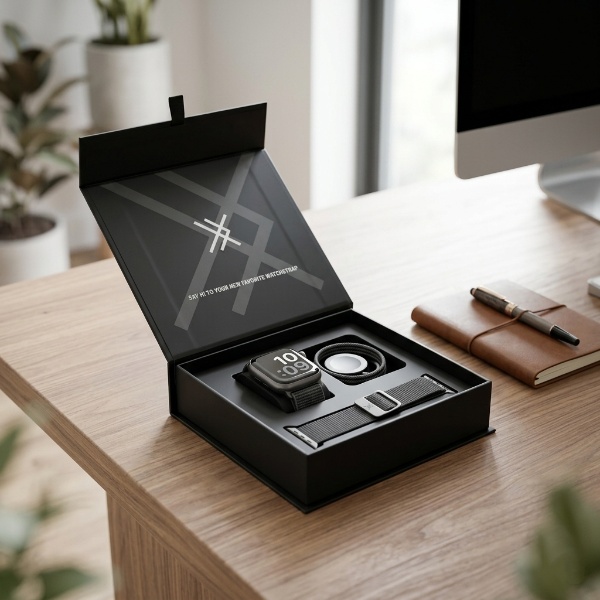 Rigid Boxes / ISO 9001 / CMYK
Custom Black Rigid Cardboard Magnetic Electronics Box with Foam Insert
Custom Black Rigid Cardboard Magnetic Electronics Box with Foam Insert combines an outer paper box with an internal support insert, so the quote should cover box structu...
Rigid Boxes / ISO 9001 / CMYK
Custom Black Rigid Cardboard Magnetic Electronics Box with Foam Insert
Custom Black Rigid Cardboard Magnetic Electronics Box with Foam Insert combines an outer paper box with an internal support insert, so the quote should cover box structu...
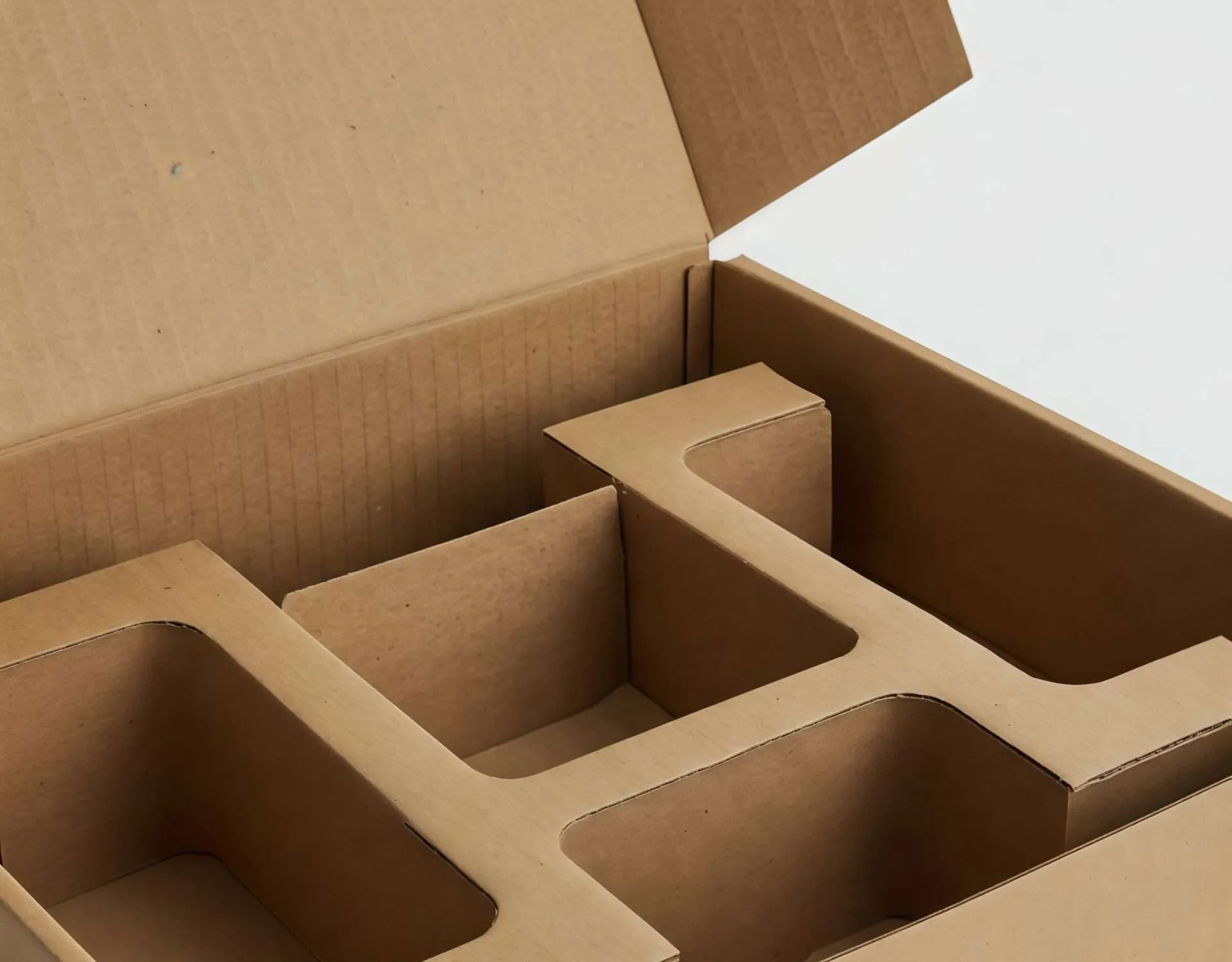 Rigid Boxes / FSC / Wrapped printed paper
Custom Box Inserts
Custom Box Inserts needs structure decisions before print and sampling. The quote should cover wrapped greyboard box with separate lid, base, hinge, drawer, or magnetic...
Rigid Boxes / FSC / Wrapped printed paper
Custom Box Inserts
Custom Box Inserts needs structure decisions before print and sampling. The quote should cover wrapped greyboard box with separate lid, base, hinge, drawer, or magnetic...
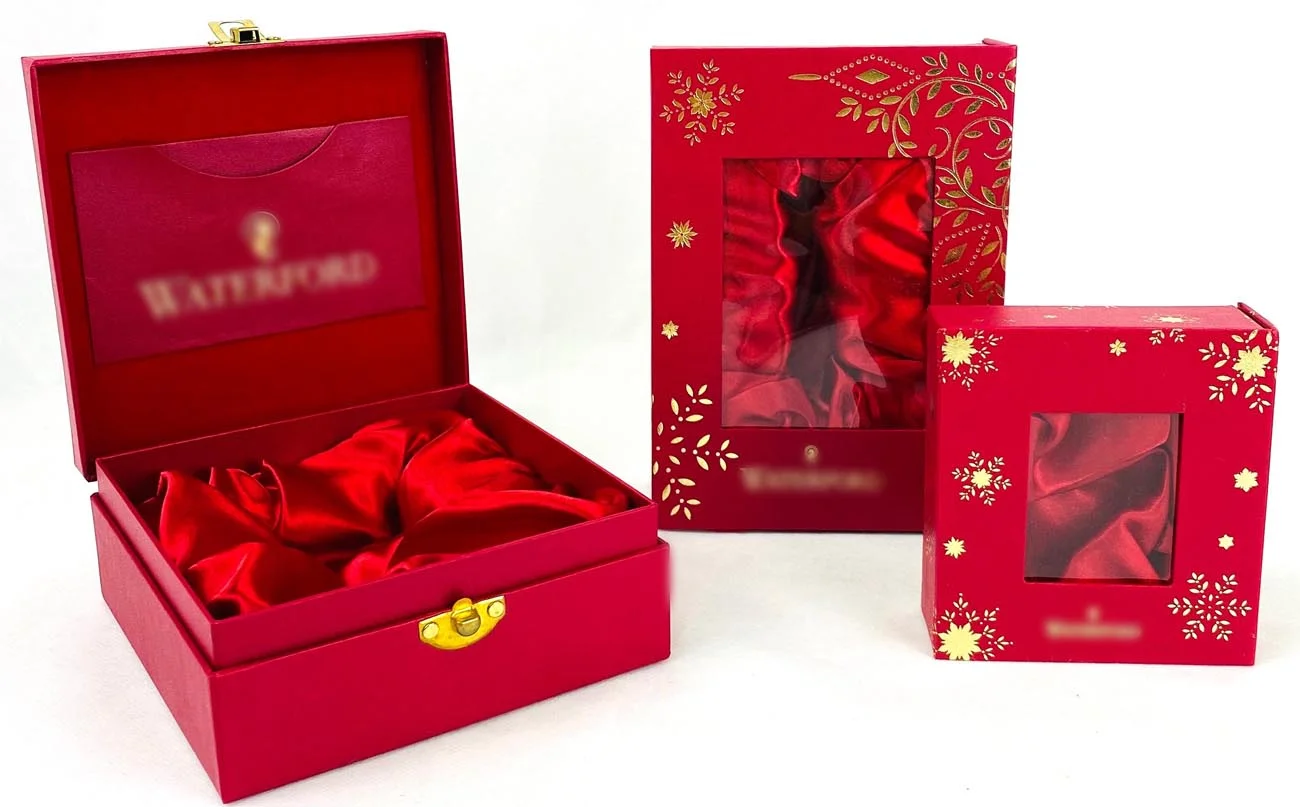 Rigid Boxes / ISO 9001 / Wrapped printed paper
Custom Box Inserts to Protect and Showcase Product
Custom Box Inserts to Protect and Showcase Product needs structure decisions before print and sampling. The quote should cover wrapped greyboard box with separate lid, b...
Rigid Boxes / ISO 9001 / Wrapped printed paper
Custom Box Inserts to Protect and Showcase Product
Custom Box Inserts to Protect and Showcase Product needs structure decisions before print and sampling. The quote should cover wrapped greyboard box with separate lid, b...
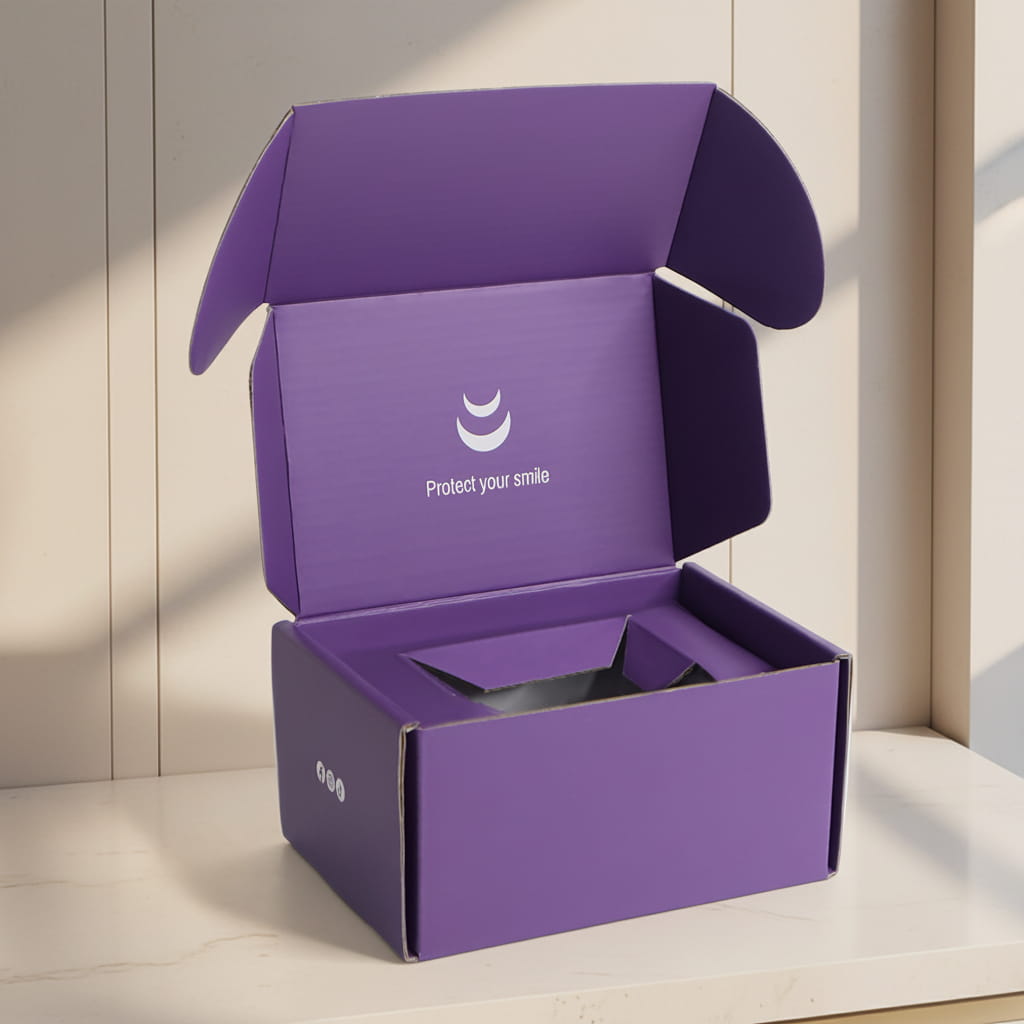 Rigid Boxes / ISO 9001 / CMYK
Custom Corrugated Paper Mailer Box with Insert for Toy Packaging
Custom Corrugated Paper Mailer Box with Insert for Toy Packaging combines an outer paper box with an internal support insert, so the quote should cover box structure, ca...
Rigid Boxes / ISO 9001 / CMYK
Custom Corrugated Paper Mailer Box with Insert for Toy Packaging
Custom Corrugated Paper Mailer Box with Insert for Toy Packaging combines an outer paper box with an internal support insert, so the quote should cover box structure, ca...