ProductsSolutionsIndustriesCapabilitiesResourcesSample KitGet Quote
Packaging comparison

Rigid Boxes Vs Folding Cartons

Use this page to decide which structure direction should lead the quote. The comparison stays practical: packed product, presentation target, sample needs, and repeat-order expectations.

What it is

This comparison helps decide whether a project should start from a wrapped rigid structure or a foldable carton structure.

When to use it

  • Rigid boxes when presentation, gift feel, insert fit, and opening experience lead the decision.
  • Folding cartons when flat packing, shelf information, lighter weight, and cost-sensitive retail runs lead the decision.
  • Projects where sample budget should not be spent on both directions without a first decision.

When not to use it

  • Treating one structure as universally better.
  • Choosing rigid boxes only because the product is premium if freight, storage, or quantity says otherwise.
  • Choosing cartons when the product needs a presentation or insert system the carton cannot support well.

Compatibility notes

  • Both can use CMYK, Pantone review, foil, embossing, and lamination, but the material stack differs.
  • Rigid boxes usually need wrap, board, clearance, and assembly review.
  • Folding cartons need dieline, scoring, board direction, closure, and print-panel review.

Quote and sample inputs

  • Product dimensions and weight
  • Retail or gift handoff expectation
  • Quantity, storage, and delivery plan
  • Insert, window, closure, and finish requirements

Production risks to review

  • Rigid boxes can raise freight, storage, tooling, and assembly cost.
  • Cartons can underperform when presentation, protection, or insert fit is central.
  • Both choices need sample review before final artwork approval.

When to choose Rigid Boxes

Choose this side when presentation, product protection, finish layers, or packed-product fit should lead the structure decision.

  • Confirm dimensions and packed weight
  • Check sample tolerance and finish alignment
  • Review how the structure supports the opening experience

When to choose Folding Cartons

Choose this side when packing efficiency, retail information, material direction, or cost-sensitive production should lead the first sample round.

  • Confirm material and print coverage
  • Check closure, fold, or assembly behavior
  • Clarify delivery and repeat-order requirements

Decision table

Cost and quantityReview whether rigid boxes needs extra setup, thicker material, inserts, or slower assembly.Review whether folding cartons reduces setup, storage, or pack-out complexity at the target quantity.
Sample riskCheck fit, closure, tolerance, finish alignment, and loaded-product behavior before approval.Check fold behavior, board direction, artwork position, closure strength, and packed-product tolerance.
Material and finishUse this side when hand-feel, wrap, rigidity, insert fit, or premium finish layers matter most.Use this side when printed panels, lightweight board, kraft/coated paper choices, or faster finish review matter most.
Packing and deliveryConfirm unit weight, assembled volume, packing method, and protection expectation.Confirm flat/assembled delivery, carton packing, retail shelf handling, and repeat-order needs.

Quote inputs

  • Packed product dimensions and weight
  • Target quantity and destination
  • Material direction and finish layers
  • Sample type and approval timing
  • Retail, ecommerce, or gift handoff requirements

View full catalog paths

Use the full catalog when the featured examples are not enough for the decision.

Featured starting points

These examples are not the full catalog. Use them to compare the two sides, then open the catalog paths above for the complete product set.

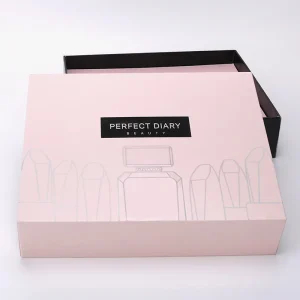
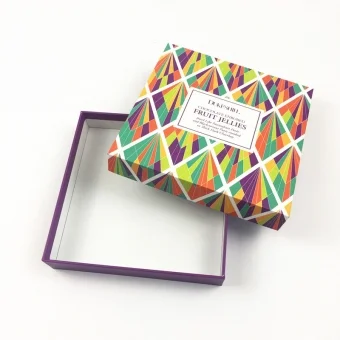
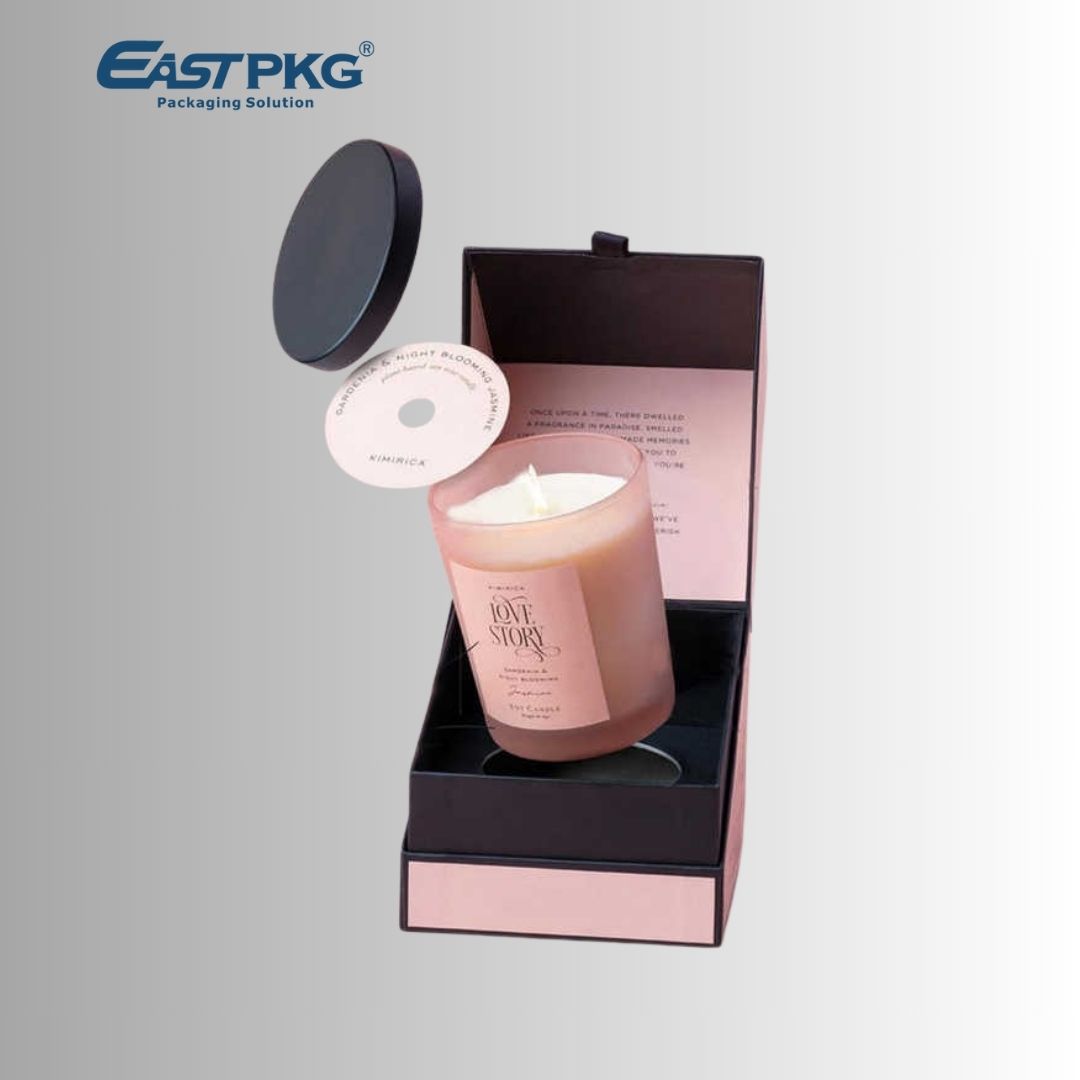
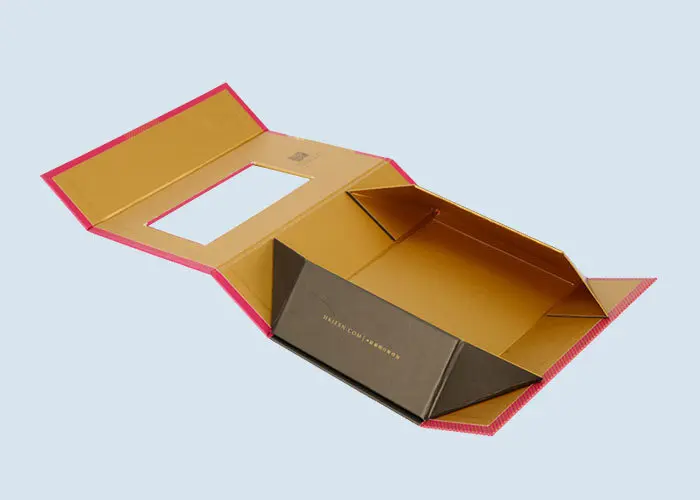
Rigid Boxes examples

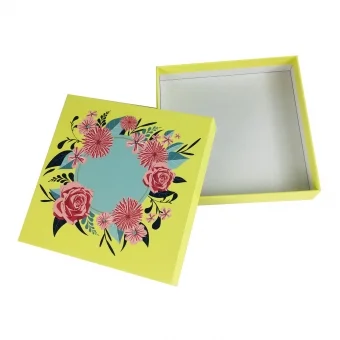
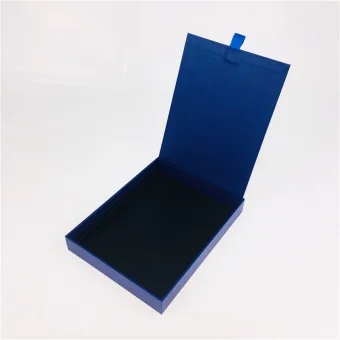
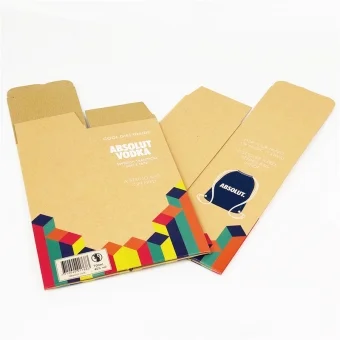
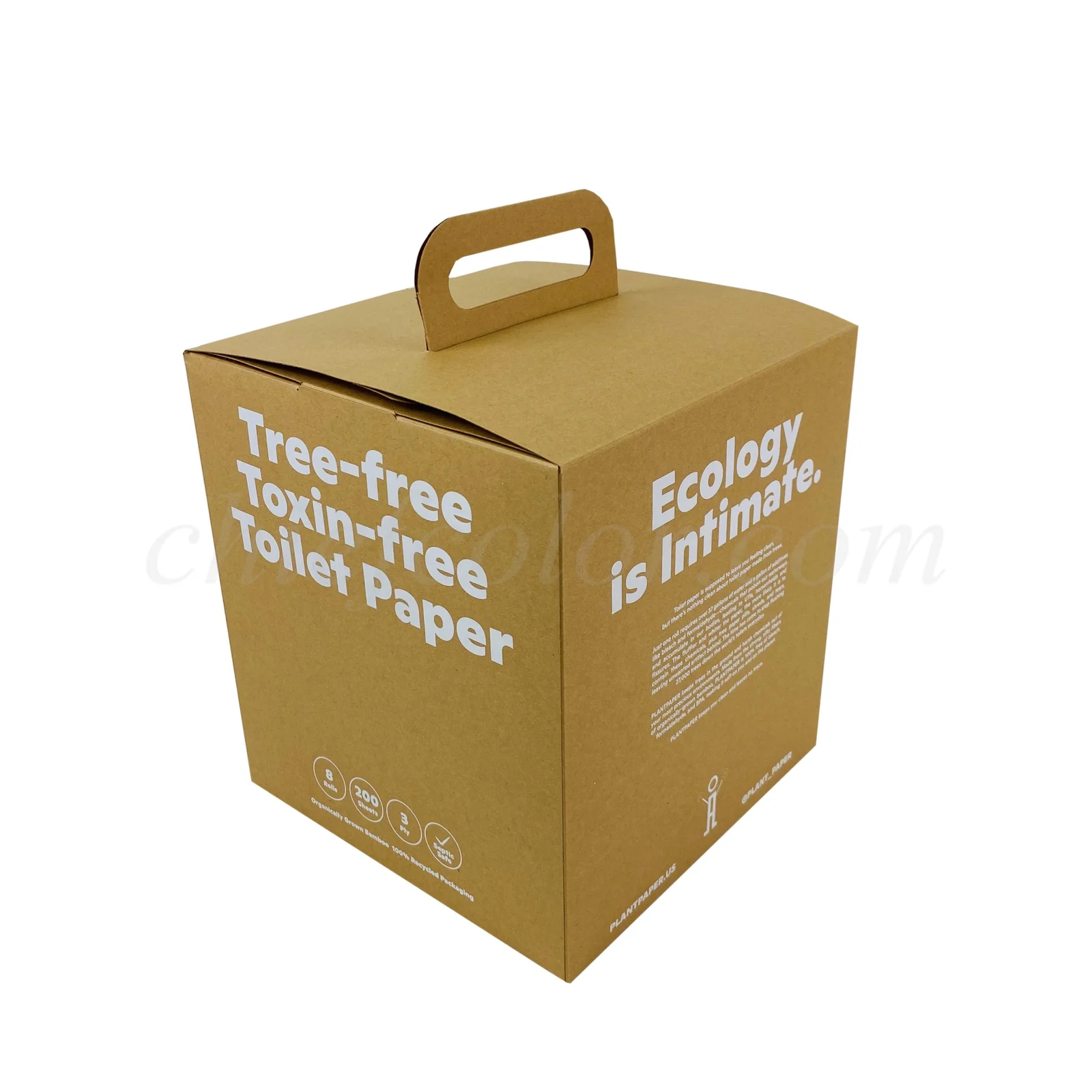
Folding Cartons examples