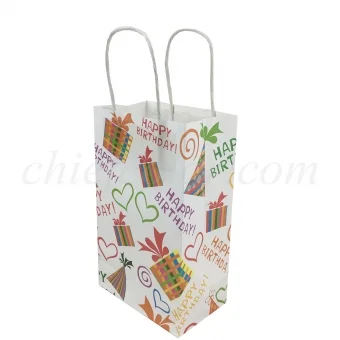
 Paper Bags / ISO 9001 / CMYK
Birthday White Kraft Paper Gift Bag
Birthday White Kraft Paper Gift Bag is a paper carry package for retail carry use. Bag size, handle type, gusset and base construction, print coverage, loaded-use sampli...
Paper Bags / ISO 9001 / CMYK
Birthday White Kraft Paper Gift Bag
Birthday White Kraft Paper Gift Bag is a paper carry package for retail carry use. Bag size, handle type, gusset and base construction, print coverage, loaded-use sampli...
Material and finish guide
Kraft Paper Packaging
Use this guide to connect the material or finish direction to real product structures before sampling. The right choice depends on packed-product fit, artwork, hand-feel, retail handling, and repeat-order expectations.
What it is
Kraft paper packaging uses natural or white kraft-facing paper as part of the visible surface, liner, tube wrap, carton board, or carry-bag structure.
When to use it
- Natural retail, food-adjacent, candle, tea, apparel, and gift projects where paper texture is part of the brand signal.
- Projects that need lower-coverage artwork, one-color print, foil accents, or a visible natural-paper direction.
- Paper bags, folding cartons, mailers, tubes, and wrapped rigid boxes where the surface choice changes the sample review.
When not to use it
- Photo-heavy artwork that needs a bright white print base unless a white kraft or coated alternative is selected.
- Projects where exact brand-color matching matters more than natural paper feel.
- Claims about recycled, FSC, food-contact, or compostable status unless the project documentation is reviewed.
Compatibility notes
- Works well with foil stamping, simple CMYK, black ink, labels, and tactile paper finishes.
- Needs extra review when heavy ink coverage, lamination, window patching, or food-contact wording is part of the brief.
- For rigid boxes, kraft is usually a wrap direction; for cartons or bags, it can be part of the board or bag paper choice.
Quote and sample inputs
- Target structure and packed-product weight
- Natural kraft, white kraft, or coated-kraft preference
- Artwork coverage, foil zones, and sample type
- Any sustainability or food-contact wording the buyer expects to use
Production risks to review
- Color reads warmer on kraft than on white or coated paper.
- Large ink areas can reduce the natural kraft effect and may need proofing.
- Documentation language must be checked before using public sustainability wording.
Related decision paths
Use these pages when this topic is only one part of the material, finish, structure, or quote decision.
How to use it
- Choose the product structure before locking a finish
- Check whether the finish affects fold, wrap, closure, or window behavior
- Confirm sample type when texture, foil, lamination, or print color is critical
Material signals
- Kraft paper31
- White kraft20
- Paperboard18
- Coated paper11
- White kraft paper5
- Greyboard4
- Art paper by print and handle review3
- Kraft paper wrap3
Finish signals
- Foil stamping8
- CMYK5
- Debossing4
- Embossing4
- Foil or spot finish by handling surface review4
- Foil or spot finish by seam and cap review4
- Handle and edge alignment review4
- Label or wrap artwork4
Applicable product families
Open the full catalog paths when the featured examples below are not enough for review.
View full Paper Bags5 featured examples hereView full Rigid Boxes4 featured examples hereView full Custom Paper Tubes2 featured examples hereView full Folding Cartons2 featured examples hereView full Cosmetic Paper Tubes1 featured examples hereView full Labels and Sleeves1 featured examples hereView full Mailer Boxes1 featured examples here
Featured starting points
Open related product pages to review images, structure notes, and quote inputs. These are representative entries, not the full catalog.
Paper Bags / ISO 9001 / CMYK
Birthday White Kraft Paper Gift Bag
Birthday White Kraft Paper Gift Bag is a paper carry package for retail carry use. Bag size, handle type, gusset and base construction, print coverage, loaded-use sampli...
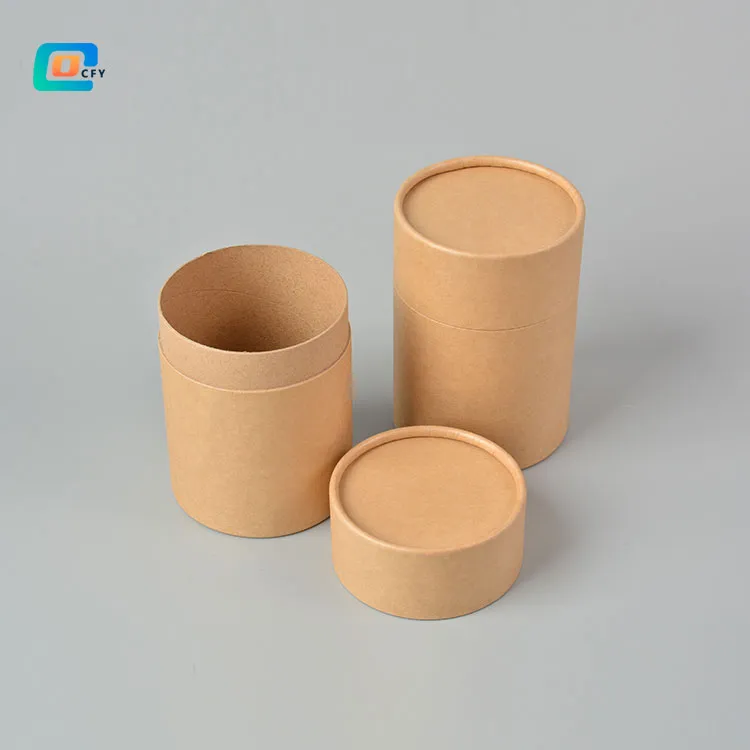 Custom Paper Tubes / ISO 9001 / CMYK wrap print
Brown Kraft Paper Packaging
Brown Kraft Paper Packaging depends on diameter, height, cap fit, and wrap placement. The quote should cover body style, cap or edge style, seam position, artwork files,...
Custom Paper Tubes / ISO 9001 / CMYK wrap print
Brown Kraft Paper Packaging
Brown Kraft Paper Packaging depends on diameter, height, cap fit, and wrap placement. The quote should cover body style, cap or edge style, seam position, artwork files,...
 Paper Bags / ISO 9001 / CMYK
Christmas Kraft Paper Bag with Twisted Handle
Christmas Kraft Paper Bag with Twisted Handle is a paper carry package for retail carry use. Bag size, handle type, gusset and base construction, print coverage, loaded-...
Paper Bags / ISO 9001 / CMYK
Christmas Kraft Paper Bag with Twisted Handle
Christmas Kraft Paper Bag with Twisted Handle is a paper carry package for retail carry use. Bag size, handle type, gusset and base construction, print coverage, loaded-...
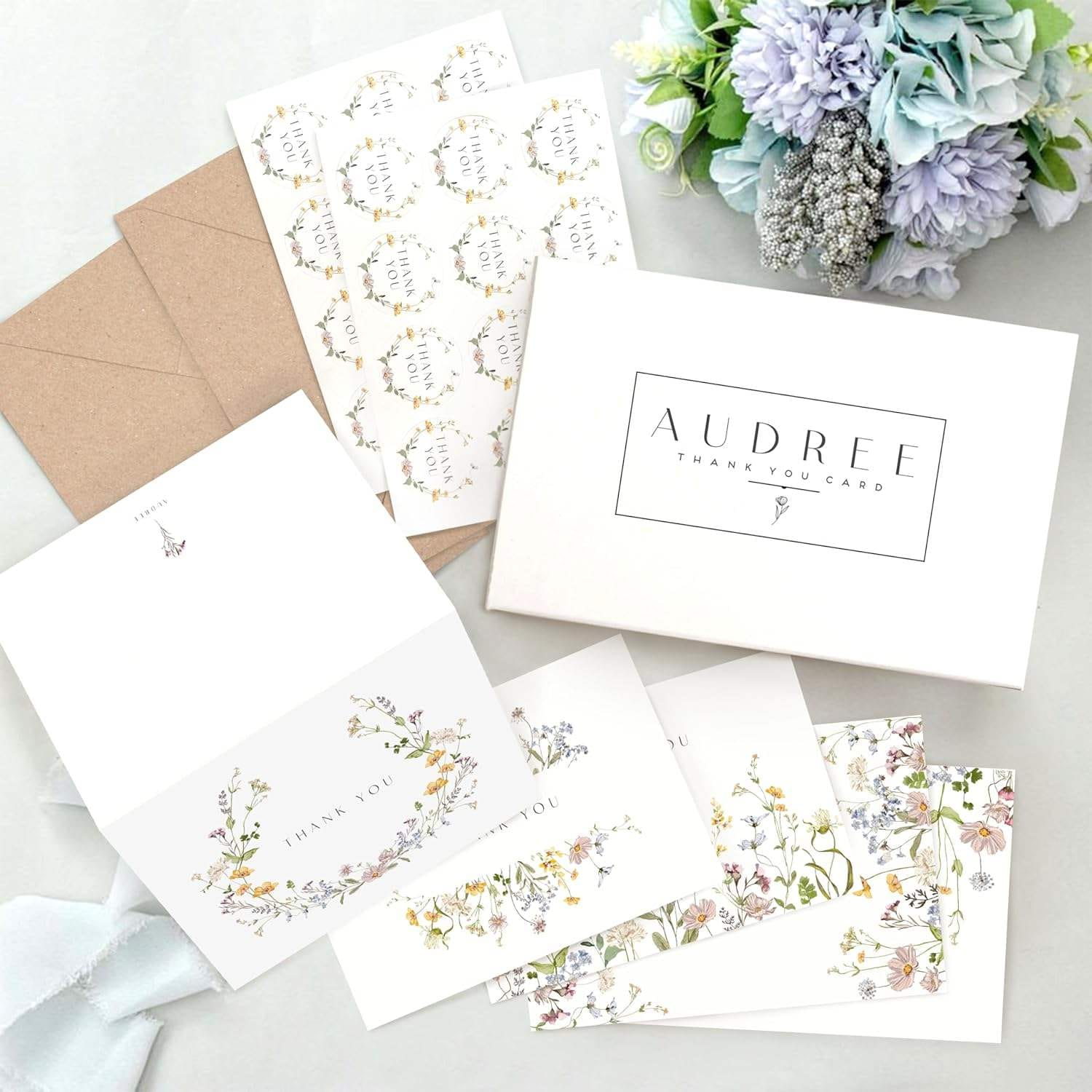 Labels and Sleeves / ISO 9001 / CMYK
Custom 4x6 Inch Paper Thank You Cards with Kraft Envelopes and Stickers for Events
Custom 4x6 Inch Paper Thank You Cards with Kraft Envelopes and Stickers for Events is a printed label component for an existing package or product surface. Label size, s...
Labels and Sleeves / ISO 9001 / CMYK
Custom 4x6 Inch Paper Thank You Cards with Kraft Envelopes and Stickers for Events
Custom 4x6 Inch Paper Thank You Cards with Kraft Envelopes and Stickers for Events is a printed label component for an existing package or product surface. Label size, s...
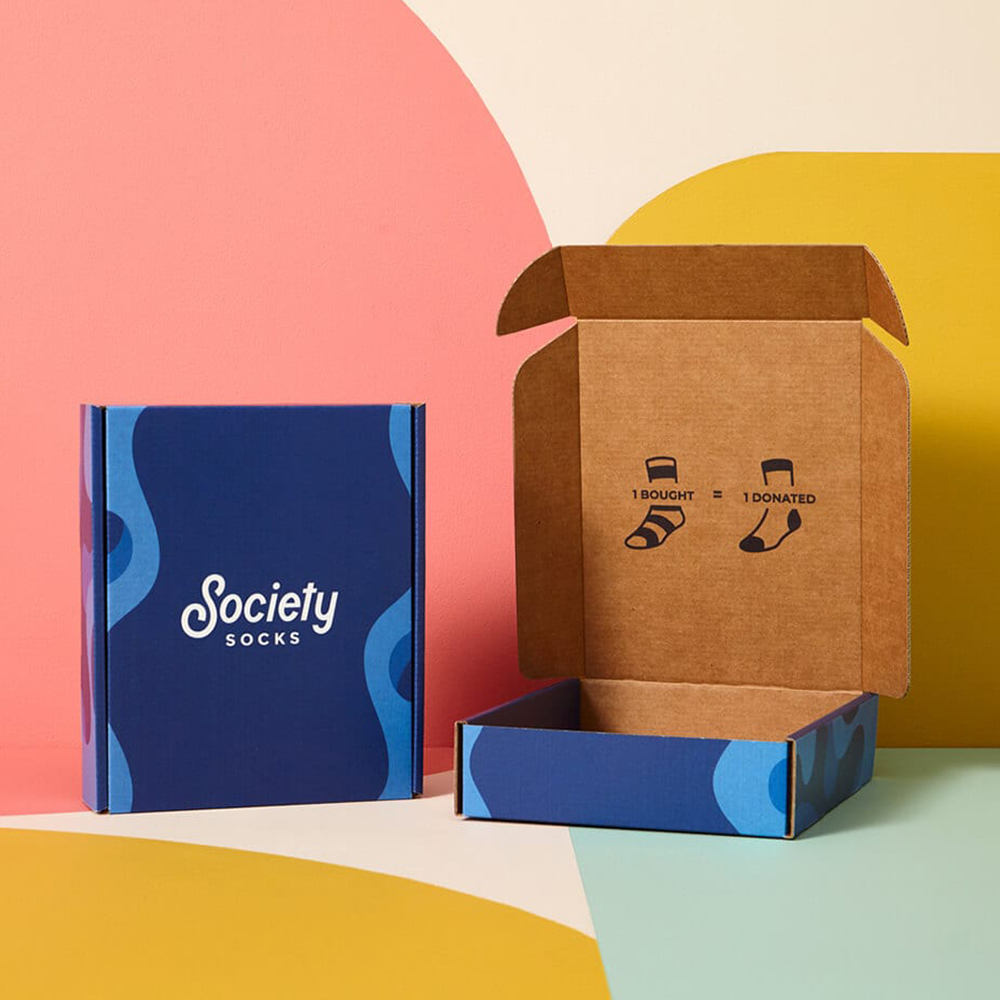 Mailer Boxes / ISO 9001 / CMYK
Custom Corrugated Kraft Paper Gift Packaging Mailer Box
Custom Corrugated Kraft Paper Gift Packaging Mailer Box needs structure decisions before print and sampling. The quote should cover self-locking corrugated mailer box wi...
Mailer Boxes / ISO 9001 / CMYK
Custom Corrugated Kraft Paper Gift Packaging Mailer Box
Custom Corrugated Kraft Paper Gift Packaging Mailer Box needs structure decisions before print and sampling. The quote should cover self-locking corrugated mailer box wi...
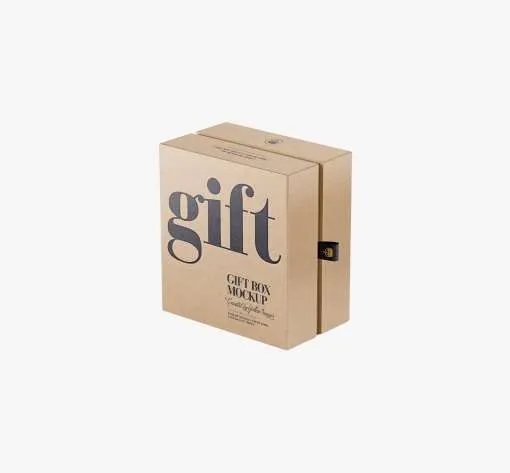 Rigid Boxes / FSC / Foil stamping
Custom Kraft Boxes
Custom Kraft Boxes needs structure decisions before print and sampling. The quote should cover wrapped greyboard box with separate lid, base, hinge, drawer, or magnetic...
Rigid Boxes / FSC / Foil stamping
Custom Kraft Boxes
Custom Kraft Boxes needs structure decisions before print and sampling. The quote should cover wrapped greyboard box with separate lid, base, hinge, drawer, or magnetic...
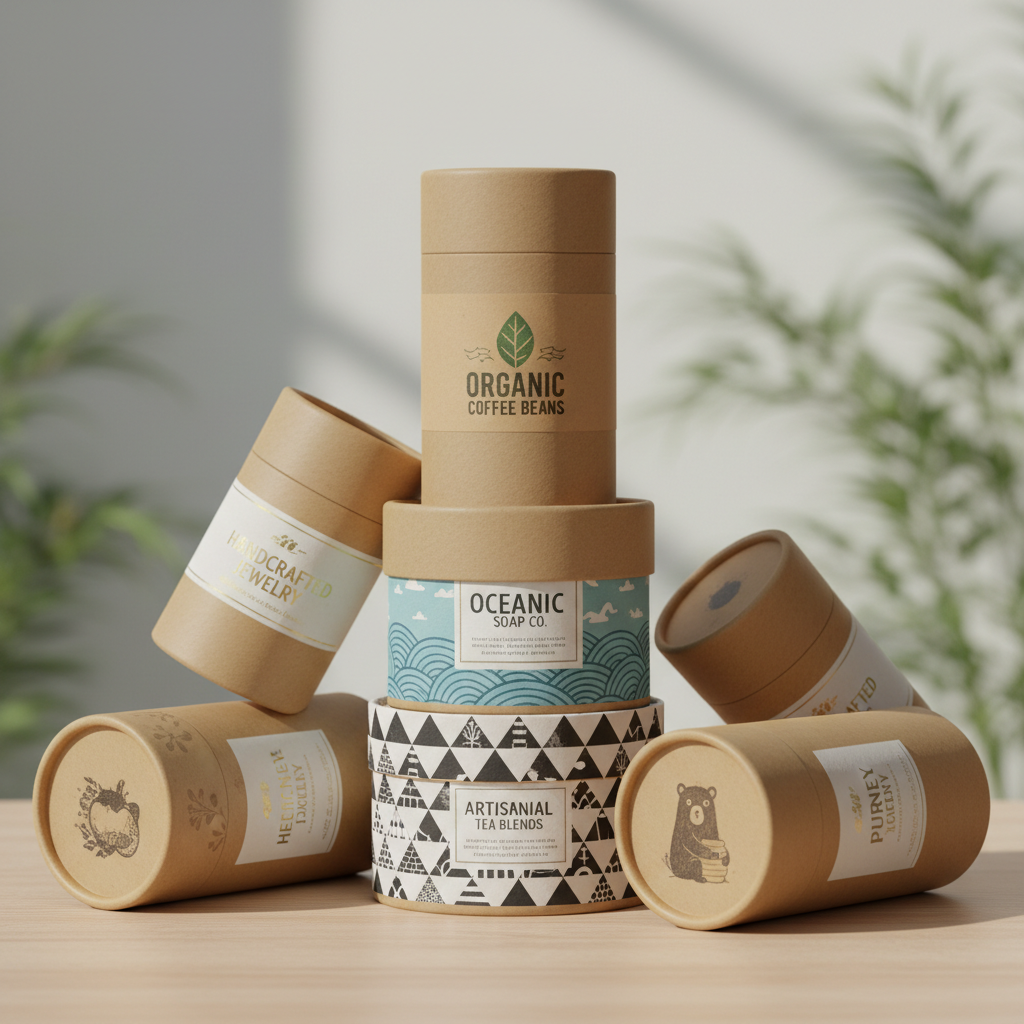 Custom Paper Tubes / ISO 9001 / CMYK wrap print
Custom Kraft Paper Tubes
Custom Kraft Paper Tubes depends on diameter, height, cap fit, and wrap placement. The quote should cover body style, cap or edge style, seam position, artwork files, sa...
Custom Paper Tubes / ISO 9001 / CMYK wrap print
Custom Kraft Paper Tubes
Custom Kraft Paper Tubes depends on diameter, height, cap fit, and wrap placement. The quote should cover body style, cap or edge style, seam position, artwork files, sa...
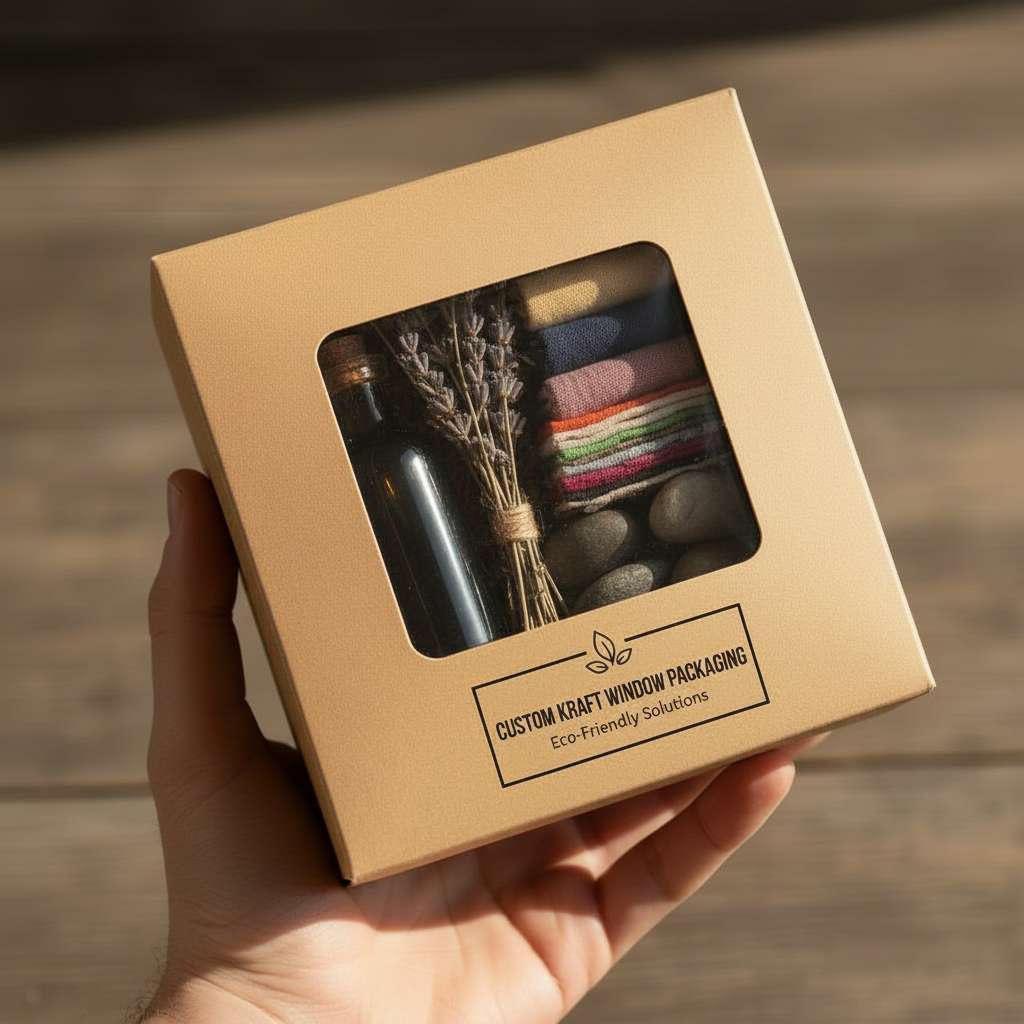 Folding Cartons / ISO 9001 / CMYK outside print
Custom Kraft Window Boxes
Custom Kraft Window Boxes needs structure decisions before print and sampling. The quote should cover straight or reverse tuck folding carton with glued side seam and op...
Folding Cartons / ISO 9001 / CMYK outside print
Custom Kraft Window Boxes
Custom Kraft Window Boxes needs structure decisions before print and sampling. The quote should cover straight or reverse tuck folding carton with glued side seam and op...
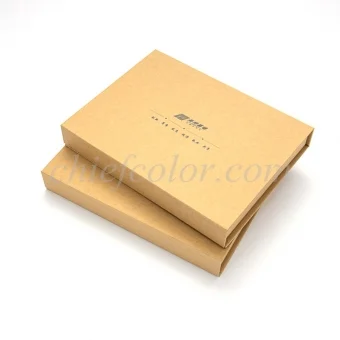 Rigid Boxes / ISO 9001 / Spot UV
Custom Made Recycled Kraft Gift Box with Hinged Lid
Custom Made Recycled Kraft Gift Box with Hinged Lid needs structure decisions before print and sampling. The quote should cover wrapped greyboard box with separate lid,...
Rigid Boxes / ISO 9001 / Spot UV
Custom Made Recycled Kraft Gift Box with Hinged Lid
Custom Made Recycled Kraft Gift Box with Hinged Lid needs structure decisions before print and sampling. The quote should cover wrapped greyboard box with separate lid,...
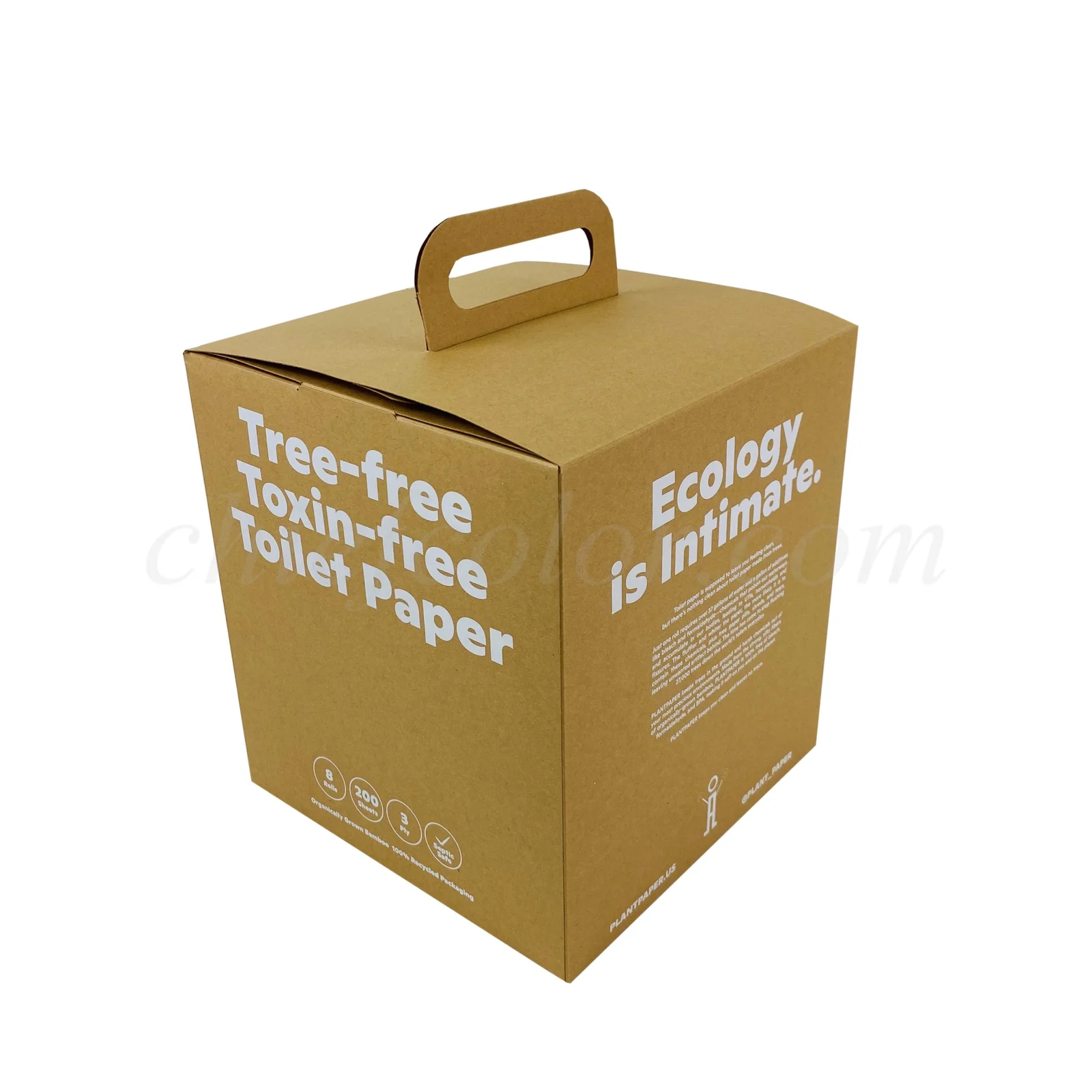 Folding Cartons / ISO 9001 / CMYK outside print
Custom Recycle Natural Kraft Auto Locked Bottom Folding Box Gift Packaging
Custom Recycle Natural Kraft Auto Locked Bottom Folding Box Gift Packaging needs structure decisions before print and sampling. The quote should cover straight or revers...
Folding Cartons / ISO 9001 / CMYK outside print
Custom Recycle Natural Kraft Auto Locked Bottom Folding Box Gift Packaging
Custom Recycle Natural Kraft Auto Locked Bottom Folding Box Gift Packaging needs structure decisions before print and sampling. The quote should cover straight or revers...
 Paper Bags / ISO 9001 / CMYK
Custom White Kraft Paper Bags
Custom White Kraft Paper Bags is a paper carry package for retail carry use. Bag size, handle type, gusset and base construction, print coverage, loaded-use sampling, an...
Paper Bags / ISO 9001 / CMYK
Custom White Kraft Paper Bags
Custom White Kraft Paper Bags is a paper carry package for retail carry use. Bag size, handle type, gusset and base construction, print coverage, loaded-use sampling, an...
 Paper Bags / ISO 9001 / Single-color or full-surface print
Deluxe Kraft Paper Bags for Wedding Photography Studio
Deluxe Kraft Paper Bags for Wedding Photography Studio is a paper carry package for retail carry use. Bag size, handle type, gusset and base construction, print coverage...
Paper Bags / ISO 9001 / Single-color or full-surface print
Deluxe Kraft Paper Bags for Wedding Photography Studio
Deluxe Kraft Paper Bags for Wedding Photography Studio is a paper carry package for retail carry use. Bag size, handle type, gusset and base construction, print coverage...
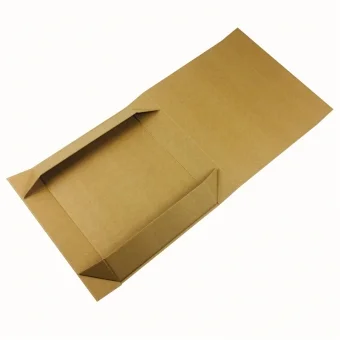 Rigid Boxes / ISO 9001 / Wrapped printed paper
Fully Collapsible Natural Kraft Gift Boxes
Fully Collapsible Natural Kraft Gift Boxes needs structure decisions before print and sampling. The quote should cover wrapped greyboard box with separate lid, base, hin...
Rigid Boxes / ISO 9001 / Wrapped printed paper
Fully Collapsible Natural Kraft Gift Boxes
Fully Collapsible Natural Kraft Gift Boxes needs structure decisions before print and sampling. The quote should cover wrapped greyboard box with separate lid, base, hin...
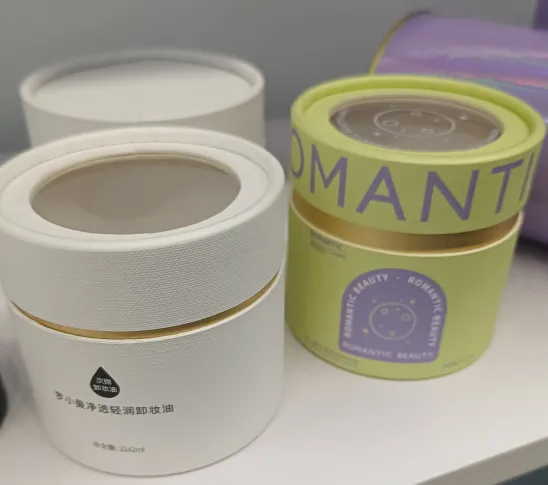 Cosmetic Paper Tubes / ISO 9001 / Foil stamping
Kraft / Art Paper Tube for Packaging
Kraft / Art Paper Tube for Packaging depends on diameter, height, cap fit, and wrap placement. The quote should cover body style, cap or edge style, seam position, artwo...
Cosmetic Paper Tubes / ISO 9001 / Foil stamping
Kraft / Art Paper Tube for Packaging
Kraft / Art Paper Tube for Packaging depends on diameter, height, cap fit, and wrap placement. The quote should cover body style, cap or edge style, seam position, artwo...
 Paper Bags / ISO 9001 / Single-color or full-surface print
Kraft and Cardboard Paper Bags
Kraft and Cardboard Paper Bags is a paper carry package for retail carry use. Bag size, handle type, gusset and base construction, print coverage, loaded-use sampling, a...
Paper Bags / ISO 9001 / Single-color or full-surface print
Kraft and Cardboard Paper Bags
Kraft and Cardboard Paper Bags is a paper carry package for retail carry use. Bag size, handle type, gusset and base construction, print coverage, loaded-use sampling, a...
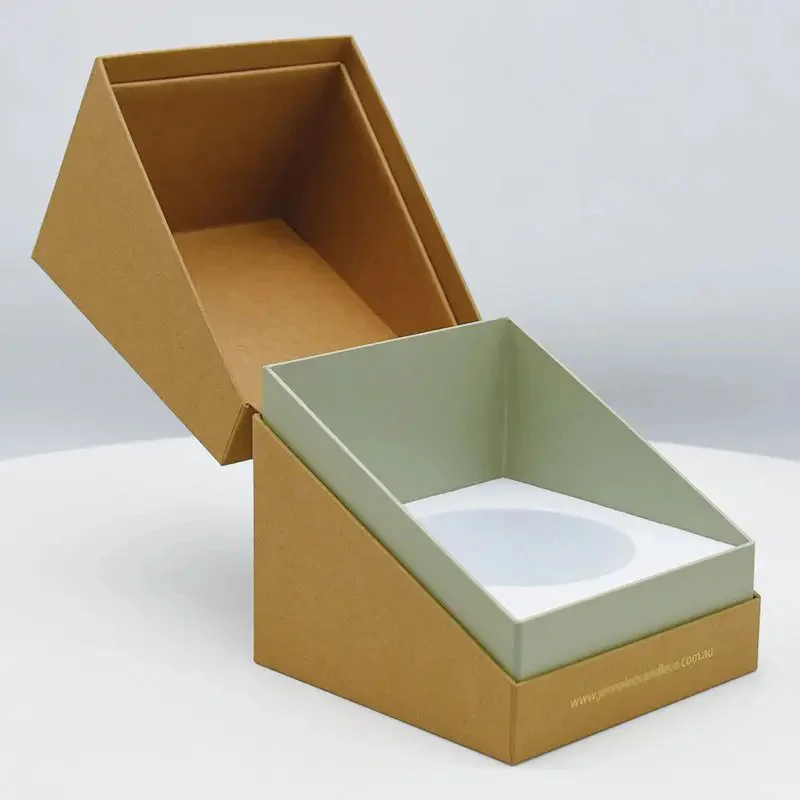 Rigid Boxes / ISO 9001 / Wrapped printed paper
Kraft Candle Boxes with Inserts
Kraft Candle Boxes with Inserts combines an outer paper box with an internal support insert, so the quote should cover box structure, cavity layout, product removal acce...
Rigid Boxes / ISO 9001 / Wrapped printed paper
Kraft Candle Boxes with Inserts
Kraft Candle Boxes with Inserts combines an outer paper box with an internal support insert, so the quote should cover box structure, cavity layout, product removal acce...